What Does It Really Take to Build a Blockchain from Scratch in 2026?

Building a blockchain from scratch requires significant engineering effort, including expertise in cryptography, distributed systems, and network architecture. This guide explains the real cost, timeline, and technical requirements of launching a production-ready blockchain.

How to Create a Cryptocurrency in 2026: Cost, Technical Requirements, and Real Risks

Creating a cryptocurrency in 2026 can cost anywhere between $5,000 (ERC-20 token) and $300,000+ (custom blockchain development), depending on whether you build a token on an existing network or launch a standalone blockchain. While technically simple token creation can take less than a week, building a secure and scalable cryptocurrency ecosystem requires months of development, audits, and infrastructure setup.

Building a Trading Robot (Part 3): Execution Layer, Risk Management, and System Architecture

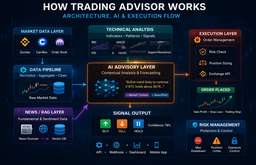
This article explores how trading signals are executed within a real trading system. It explains the execution layer, order management, position tracking, and risk controls required for production trading robots. The guide also describes how modular system architecture helps separate strategy logic from infrastructure in automated trading platforms.

Why Go Is Used in Crypto Infrastructure: Speed, Concurrency, and Predictable Backend Performance

This article explains why the Go programming language is widely used in cryptocurrency infrastructure and blockchain backend systems. It explores how Go’s concurrency model, predictable performance, and efficient networking make it well suited for high-load crypto platforms such as nodes, trading systems, and blockchain indexers. The guide focuses on practical engineering considerations behind choosing Go for scalable crypto backend development.

Building a Trading Robot (Part 2): Market Data Pipelines and Signal Generation

This article explains how a trading robot processes market data and transforms it into structured trading signals. It covers data normalization, exchange API integration, prompt construction, and AI-based signal generation. The focus is on designing a robust data pipeline that converts raw market information into actionable insights for automated trading systems.

How to Build a Trading Robot (Part 1): Core Architecture of an Algorithmic Trading System

This article explains the core architecture of a trading robot and how automated trading systems process market data, generate signals, and assist human decision making. It introduces the main components of a trading advisor, including data ingestion, signal generation, and system orchestration. The guide focuses on practical engineering principles behind building a reliable trading system rather than speculative trading strategies.

Ethereum Backend Architecture: Why Applications Need a Middleware Layer Between App and Node

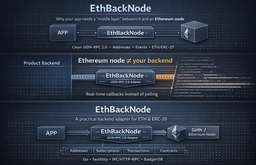
This article explains why Ethereum nodes are not designed to function as application backends and why most blockchain systems require a middleware layer. It describes the role of backend services that manage transactions, monitor confirmations, handle retries, and provide a stable API between applications and blockchain nodes. The guide introduces the architectural concept behind EthBackNode and explains how middleware improves reliability, scalability, and operational control in Ethereum-based systems.